
Why Do Yellow Jackets Get So Aggressive in Late Summer and Fall?
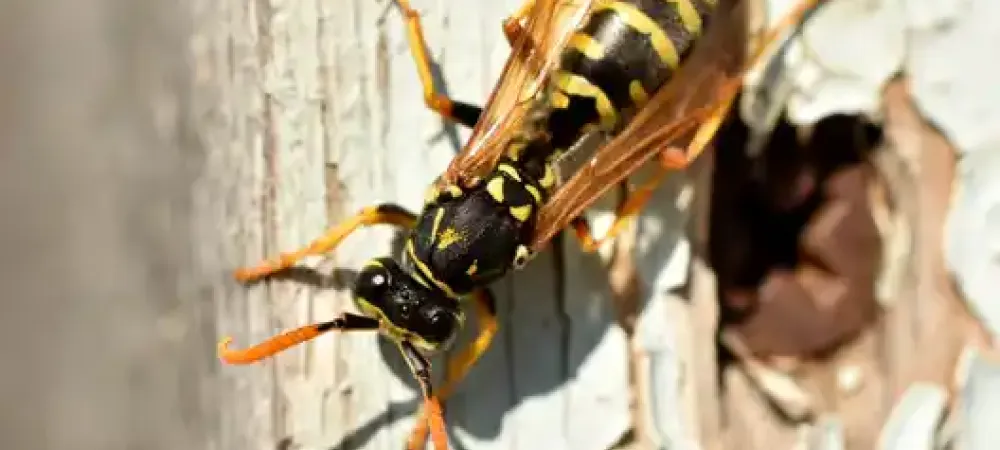
If yellow jackets seem calmer in June and downright hostile by September, that's not in your head. Their aggression follows a predictable pattern tied directly to their colony's life cycle, and understanding it can help you avoid getting stung.
It Starts With How Their Colonies Grow
A single queen builds the entire colony from scratch each spring, and by late summer that colony can include thousands of workers. In early spring, a queen that survived the winter starts a small paper nest alone, laying eggs and raising the first generation of workers by herself. Once those first workers mature, they take over building the nest, foraging, and caring for new larvae, which allows the colony to grow quickly through the summer months.
Why Colonies Peak by Late Summer
By August, an established nest can hold several thousand workers, all defending a single nest site. At this point, colonies are at their largest and most active, which alone increases the odds of a run-in if a nest happens to be located somewhere people walk, mow, or garden.
What Actually Changes in the Fall?
Two things happen at once, and both increase aggression. First, natural food sources start to disappear. Yellow jackets spend the summer hunting insects like caterpillars and flies to feed the colony, but as those prey insects become scarce in the fall, workers shift toward scavenging sugary foods instead, which is why they show up around trash cans, picnics, and fallen fruit. Second, the colony itself begins to decline. The queen stops producing new workers and instead focuses on raising next year's reproductive queens, meaning the current workforce has nothing left to build toward. With food harder to find and the colony no longer growing, workers become far more defensive of the resources and nest they do have.
How to Recognize an Aggressive Nest Before Getting Too Close
Yellow jackets nest in a few common spots: underground in abandoned burrows, inside wall voids or attic spaces, and occasionally in dense shrubs or fallen logs. A steady stream of insects flying in and out of a single small opening, whether it's a hole in the ground or a gap in siding, is usually a sign of an active nest nearby. Unlike a lone wasp, yellow jackets defend their nest as a group and can sting multiple times.
What to Do (and What Not To Do) If You Encounter Them
- Move away calmly rather than swatting, which can trigger a defensive response from the whole colony
- Avoid mowing, trimming, or working directly over a suspected nest site
- Keep outdoor food and drinks covered, especially in late summer and fall
- Skip DIY removal on nests in wall voids or underground; disturbing a nest without fully eliminating it often makes the problem worse
Because yellow jacket colonies are largest and most defensive later in the season, nest removal is safest left to a professional who can identify the nest location and treat it properly the first time.
Found a Yellow Jacket Nest on Your Property?
Sudden Death Termite & Pest Control can help you deal with it safely. Request a free quote or learn more about our stinging insect control services.