
Mosquito Bites vs. No-See-Um Bites: How to Tell the Difference
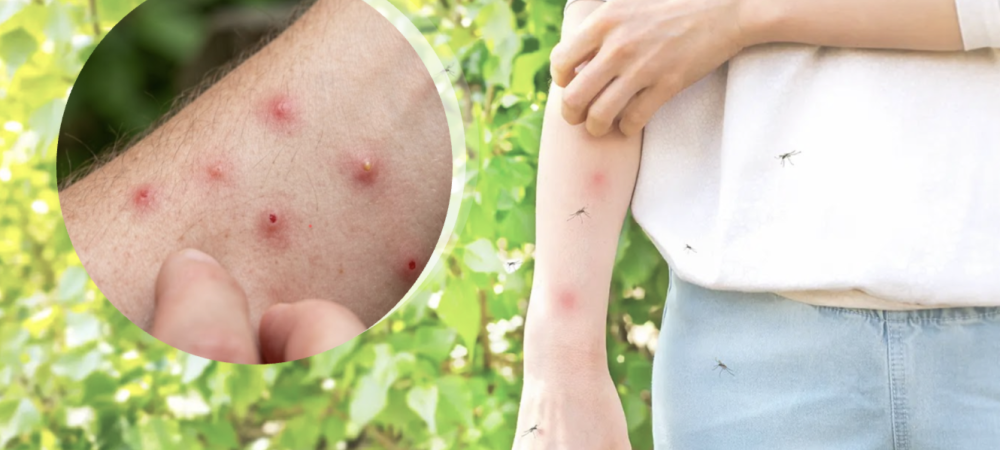
If you've come inside with clusters of intensely itchy bites and no memory of getting bitten, there's a good chance a no-see-um is the culprit, not a mosquito. Both pests bite exposed skin during warm months, but the bites themselves, along with how and where they happen, are different enough to tell apart once you know what to look for.
What's Actually Different About These Two Pests?
Size and biting method are the biggest differences. Mosquitoes are large enough to see and hear (their wings produce that familiar buzzing sound), and they insert a thin, needle-like mouthpart to draw blood. No-see-ums, also called biting midges, are barely visible; some species are smaller than a grain of rice. They tear at the skin rather than piercing it cleanly, which is part of why their bites tend to hurt more than their size would suggest.
How to Identify a Mosquito Bite
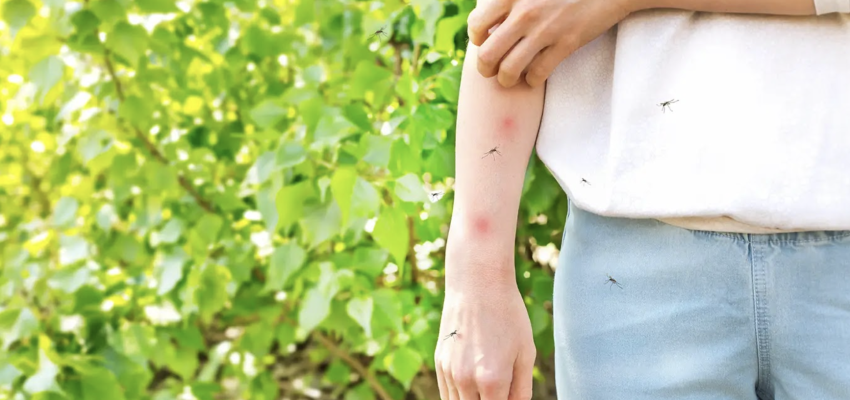
- Usually a single raised, round welt with a visible puncture point in the center
- Itching starts almost immediately after the bite
- Most common on exposed skin like ankles, arms, and necks
- Swelling is typically mild to moderate and fades within a few days
How to Identify a No-See-Um Bite
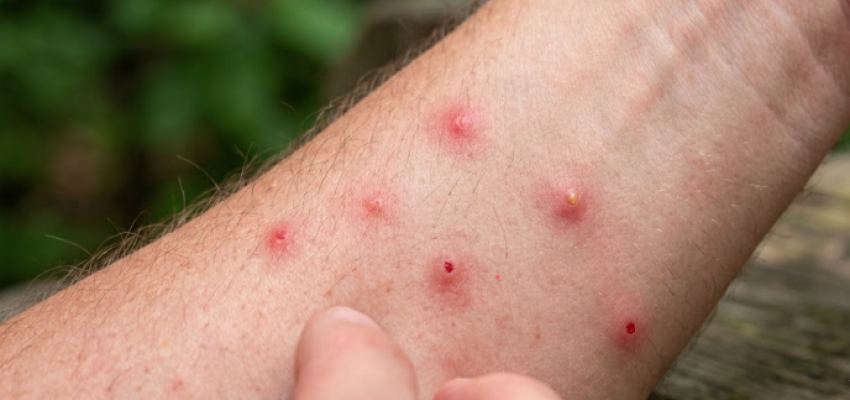
- Often shows up in small clusters or lines rather than as a single bite
- Reaction can be delayed, sometimes appearing hours after the actual bite
- Tends to cause more intense itching and can develop into small blisters or hard, red welts
- Common around ankles, wrists, waistbands, and hairlines, anywhere loose clothing or exposed skin gives them access
Why Do No-See-Um Bites Feel Worse Than Their Size Suggests?
It comes down to how they feed. No-see-ums use jagged mouthparts to cut into skin and feed on blood, which causes more tissue irritation than a mosquito's cleaner puncture. Because they're so small, they're also easy to miss until well after the bite happens, so people are often reacting to several bites before they realize they've been bitten at all.
Where You're Most Likely to Encounter Each Pest
Mosquitoes are drawn to standing water of almost any kind, including birdbaths, clogged gutters, and low spots in the yard. No-see-ums prefer damp, low-lying areas like marshy ground, tall grass, and spots with decaying organic matter, and they're most active during calm, humid evenings when there's little wind to keep them from landing.
When It's Time to Call a Professional
If bites are showing up consistently around your home or yard, especially in the same areas, it's usually a sign of a nearby breeding site rather than bad luck. A professional inspection can identify whether standing water, moisture, or vegetation on your property is attracting mosquitoes, no-see-ums, or both, and what treatment approach fits the actual pest involved.
Sudden Death Termite & Pest Control can help. Request a free quote or learn more about our mosquito control services.